Best Ombre forOlive Skin
Olive skin is characterised by a warm, golden undertone with a subtle green-yellow cast — a combination that gives it a naturally sun-kissed quality that most other skin tones lack. This warmth is an asset when choosing ombre, but it also means the wrong colour transitions can clash with the natural warmth in the complexion, making skin look sallow, muddy, or dull. The right ombre for olive skin works with this golden-green warmth: warm-toned transitions, earthy or sun-kissed end shades, and gradients that echo the natural richness of olive complexions rather than fighting them.
Discover Your ColorsWhy Undertone Matters for Ombre on Olive Skin
Olive skin contains a distinctive mix of warm and green-neutral pigments that sit in neither the clearly warm nor clearly cool camp — which is why olive skin tones can look either glowing or sallow depending on the colours placed near the face. The undertone is warm with a yellow-green quality rather than the pure golden warmth of tan skin or the pink warmth of fair skin. This means olive complexions respond best to colours in the warm-neutral and earthy spectrum rather than the cool or intensely warm pink spectrum.
Ombre creates a gradient of colour that transitions from darker roots to lighter ends — or from one colour to another along the length of the hair. For olive skin, the transition zone and the end shade are equally important. The transition should be smooth and gradual rather than harsh and banded, which can make olive skin look uneven. The end shade should be warm rather than cool — golden, honey, caramel, or warm brown rather than ash, platinum, or cool blonde.
The green-warm quality of olive skin means that some colours that look beautiful on other skin tones can look unflattering on olive. Very cool, ashy blonde ends make olive skin look greenish and sallow — the cool ash in the hair amplifies the green-cast in olive skin rather than balancing it. Warm, golden ends do the opposite: they emphasise the golden quality of olive skin and make the complexion appear bronzed and luminous rather than sallow.
Your Best Ombre Shades for Olive Skin for Olive Skin
Golden Honey and Caramel
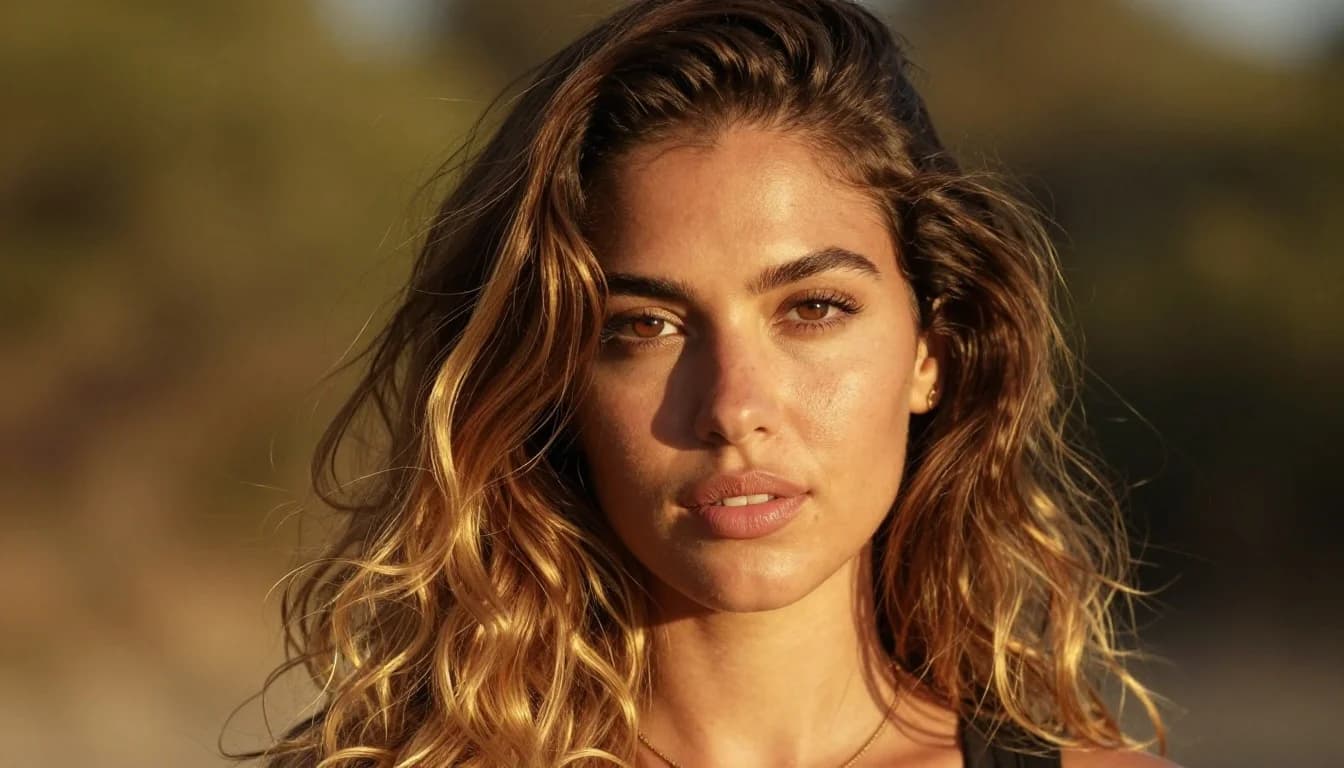
Golden honey and caramel ombre transitions are the most universally flattering for olive skin because they echo and amplify the golden warmth in the complexion. The golden-warm quality of honey blonde sits in the same colour family as olive undertones, creating cohesion rather than contrast. This is the quintessential sun-kissed ombre for olive skin — it looks natural, warm, and as if the lightening came from time spent in the sun rather than from a salon.
Warm Chestnut to Golden Brown
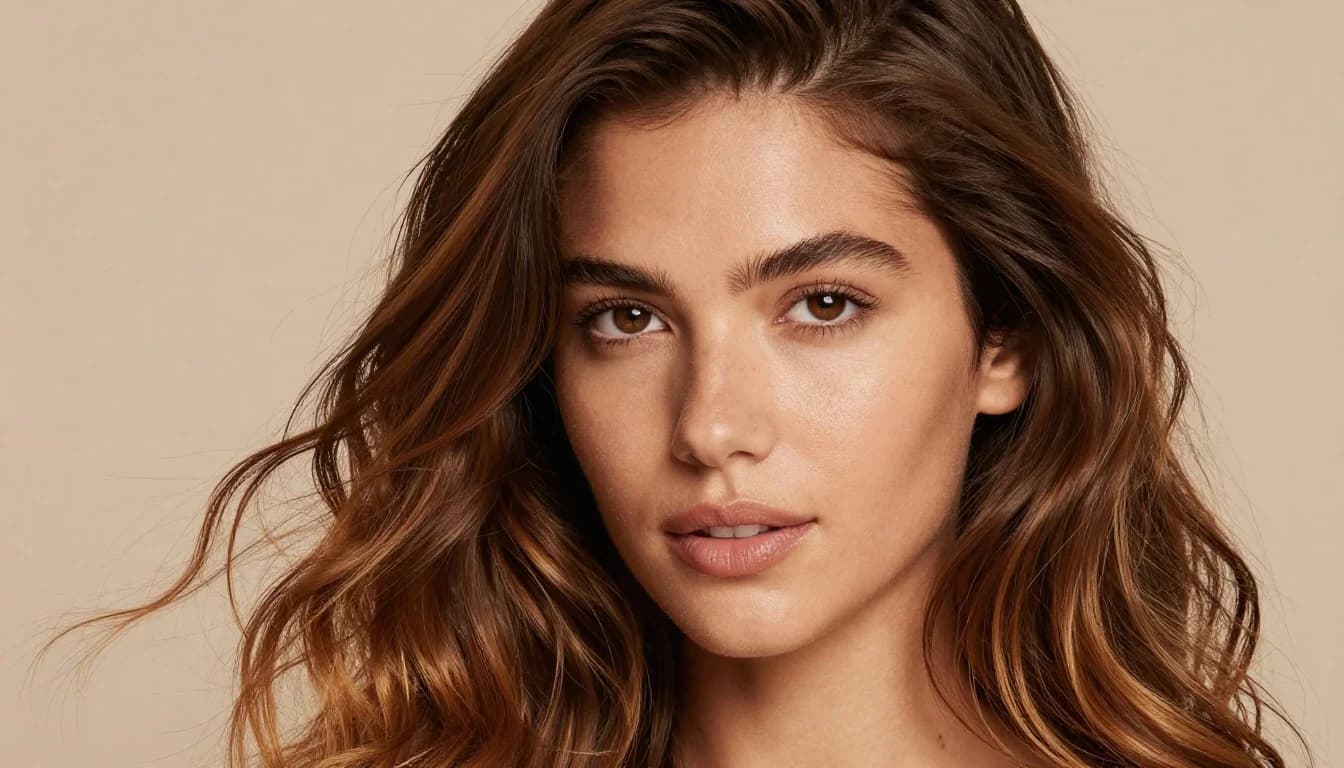
A chestnut-to-golden-brown ombre is ideal for olive skin when a more subtle, natural result is desired. The warmth in chestnut complements olive undertones while the golden-brown end shade brightens the face without going too light. This works particularly well for olive skin with medium-to-deep depth — the gradient keeps warmth throughout the entire length, ensuring nothing reads as cool or ashy against the complexion.
Auburn and Warm Red to Copper
Auburn-to-copper ombre is a stunning choice for olive skin with dark roots, as the warm red base transitions through copper and amber tones that all sit in the warm-golden family. The red warmth in auburn echoes the warm undertone of olive skin, while the copper and amber ends create a rich, fiery gradient that makes the complexion look bronzed and vivid. This works best on naturally dark or brown olive-toned hair.
Dark Brown to Warm Balayage Blonde
A classic dark-to-light ombre on olive skin works beautifully when the end shade stays warm. Transitioning from rich dark brown to a warm wheat, golden, or honey blonde creates strong contrast that is dramatically flattering on olive skin. The key is ensuring the blonde end is warm — not ash or platinum — so it harmonises with the olive undertone rather than clashing with its green-warm quality.
Ready to Find Your Best Colors?
Get Your Color AnalysisMaking the Most of Ombre With Olive Skin
Warm up your face frame
For olive skin, ensure the face-framing sections of your ombre lean warmest and lightest. The pieces closest to the face have the most impact on how the complexion reads — warm honey or golden highlights at the face frame make olive skin look bronzed and luminous rather than sallow. Ask your colourist to concentrate the warmest, brightest ends specifically in the sections that frame the jaw and cheekbones.
Choose gradual transitions
Olive skin is most flattered by gradual, blended ombre transitions rather than abrupt banding. A harsh line between dark roots and light ends can create an uneven effect that draws attention to any variation in olive complexion tone. Balayage-style ombre — with soft, graduated transitions — is ideal for olive skin because it looks natural and lets the warmth flow smoothly through the gradient without stark contrasts.
Pair with warm-toned makeup
Warm ombre on olive skin looks most cohesive when paired with warm-toned makeup. Bronze or warm copper eyeshadow, terracotta or warm nude lip colour, and warm-toned highlighter (gold rather than champagne pink) echo the warmth in the ombre and create a unified, golden aesthetic. Avoid cool-toned pink or berry makeup with warm ombre on olive skin, as the temperature mismatch will be visible.
Coordinate clothing warmth
Warm ombre and olive skin together create a naturally warm aesthetic that is best complemented by warm-toned clothing. Earth tones — terracotta, warm olive green, camel, burnt orange, warm burgundy — echo both the skin tone and the ombre warmth for a cohesive, polished look. White and cream garments also work beautifully as they allow the warm hair and skin combination to be the visual focus.
Ombre Shades That Clash With Olive Skin
Ash blonde or platinum ends
Ash and platinum blonde ends are the most common ombre mistake for olive skin. The cool, silvery quality of ash blonde amplifies the green-cast in olive undertones, making the complexion appear sallow and unwell. Cool blonde ends create a colour temperature mismatch — cool hair against warm-green skin — that highlights the unflattering qualities of olive undertones rather than the flattering ones.
Cool mushroom or grey-toned transitions
Mushroom blonde and grey-toned ombre transitions have a cool flatness that clashes with olive skin's warmth. These tones became popular for fairer, cooler complexions, but on olive skin they create an ashy, dull effect that makes the complexion look grey or sickly. The green-cool quality of mushroom brown directly conflicts with olive's yellow-green warmth.
Violet or lavender ombre
Cool violet and lavender ombre tones sit in the cool-purple family, which creates an unflattering contrast with olive skin's warm yellow-green undertones. The colour clash between violet hair and olive skin reads as discordant — neither colour looks its best in proximity to the other. Olive skin requires warmth in the hair to look its most radiant.
Very bright platinum or white blonde
Extreme lightening to platinum or white tones creates a starkly cool contrast against olive skin that appears harsh and unflattering. The severity of platinum against olive complexions highlights unevenness and can make the skin appear muddy. Additionally, the chemical processing required for platinum is extensive and often incompatible with maintaining healthy-looking olive skin complexion overall.
Stop Guessing, Start Wearing Your Colors
Discover Your PaletteOmbre Swaps for Olive Skin
Trading cool and clashing tones for warm, golden alternatives that make olive complexions glow.
Ash blonde amplifies the green cast in olive skin. Golden honey sits in the same warm-yellow family as olive undertones, making the complexion look bronzed rather than sallow.
Mushroom grey-brown creates a cool, flat transition that mutes olive warmth. Warm toffee maintains the golden quality throughout the gradient, keeping the overall look cohesive and warm.
Cool dark roots at the face create a cold contrast point against olive skin. Warm dark roots have a brown-warm base that harmonises with the golden undertones in olive complexions.
Platinum creates a stark, cool contrast that looks harsh against olive skin. Warm wheat and golden blonde stay in the warm family and create a natural, sun-kissed brightening effect.
Rose gold and violet red have pink or cool qualities that clash with olive's yellow-green warmth. Warm auburn and copper stay in the warm-red family that complements olive undertones beautifully.
Grey and silver tones are distinctly cool and make olive skin appear greenish and sallow. Caramel balayage creates warm, sun-kissed depth that makes olive complexions look their most luminous.
Which Palette Might Be Yours?
Olive skin appears most commonly in warm autumn and deep autumn seasonal palettes, as well as in some warm spring types. Your seasonal palette determines the ideal warmth, depth, and saturation for your ombre.
Warm Autumn
Learn moreMedium-to-deep olive skin with warm golden undertones often falls in Warm Autumn. Your best ombre uses the richest, warmest palette: auburn-to-copper, rich chestnut-to-caramel, or dark warm brown to golden honey. High warmth, earthy depth, and rich transitions are your most flattering approach.
Deep Autumn
Learn moreDeep, rich olive complexions with strong warm undertones may fall in Deep Autumn. Your best ombre stays deep and warm: rich espresso to warm dark chocolate, or deep brown to auburn. Keep the end shade warm but not too light — your colouring suits depth and warmth over dramatic lightness.
Warm Spring
Learn moreLighter olive skin with clear, bright golden warmth can fall in Warm Spring. Your best ombre uses lighter, brighter warm tones: warm caramel to honey blonde, or light warm brown to golden wheat. Keep transitions light and bright with warmth maintained throughout — heavy depth can feel too rich for spring colouring.
Find Your Exact Ombre for Olive Skin
Olive skin encompasses enormous variation — from light golden-olive to deep warm olive, with different levels of yellow, green, and warmth in the undertone. The precise ombre transition and end shade that looks best on your olive complexion depends on your specific undertone warmth, your natural hair depth, and your seasonal colouring. A personalised colour analysis identifies these factors and gives you the exact shade language to communicate with your colourist — ensuring your ombre makes your olive skin look radiant rather than simply matched.
Get Your Color AnalysisFrequently Asked Questions About Olive Skin
What ombre colours look best on olive skin?
Warm honey blonde, caramel, golden brown, and auburn ombre shades look best on olive skin. The golden warmth in these tones harmonises with olive's yellow-green undertone, making the complexion appear bronzed and luminous. Avoid ash blonde, mushroom, or any cool-toned end shades, which clash with olive's warmth and can make the complexion look greenish or sallow.
Can olive skin tone do blonde ombre?
Yes — but only warm blonde. Golden honey blonde, warm wheat blonde, and caramel blonde all work beautifully as ombre end shades for olive skin. The critical factor is warmth: blonde shades with a golden rather than ash or platinum quality are harmonious with olive undertones. Cool ash blonde or platinum blonde ombre can look unflattering on olive skin by amplifying its green cast.
Is balayage or ombre better for olive skin?
Balayage-style ombre — with soft, gradual transitions and painted highlights — is generally more flattering for olive skin than a stark, banded ombre. The softer transitions of balayage blend more naturally with olive complexions and avoid the harsh banding that can highlight unevenness in the skin. However, both techniques work well when the colour choice is warm-toned.
Does red ombre work for olive skin?
Warm red ombre works beautifully for olive skin — specifically auburn, cinnamon, and copper-red tones. These warm reds sit in the same golden-warm family as olive undertones, creating a rich, cohesive look. Cool reds with blue or pink bases can clash with olive's warm quality, so always specify warm or auburn-toned red when discussing ombre options with your colourist.
What should I avoid with ombre on olive skin?
Avoid ash blonde, platinum, mushroom brown, cool grey, violet, and any cool-toned ombre shades. These tones have a cool colour temperature that clashes with olive skin's warm yellow-green undertone, creating an unflattering contrast that makes the complexion appear sallow or greenish. All flattering ombre choices for olive skin share warmth — golden, amber, caramel, or auburn qualities.
How light can I go with ombre on olive skin?
Olive skin can handle relatively light ombre end shades very successfully, as long as the lightness stays warm rather than cool. A warm honey or golden wheat blonde — which reads as a light golden shade rather than a cool platinum — is often the ideal end point for an ombre on olive skin. Going lighter is fine; going cool is not. The warmth of the end shade matters more than its depth.