Colors to Avoid forRed Hair
Red hair is one of the rarest and most visually distinctive hair colors — and it has a uniquely specific relationship with clothing color. Because red hair already occupies a warm, highly saturated position on the color spectrum, the colors you wear either harmonize with that warmth or compete with it in ways that create visual chaos. Redheads have a narrower range of unflattering colors than most people think, but the ones that do clash tend to clash dramatically. Understanding why certain colors fight red hair (and what to wear instead) is the difference between looking washed out and looking extraordinary.
Discover Your ColorsWhy Red Hair Changes What Suits You
Red hair gets its color from a specific ratio of eumelanin and pheomelanin — the pigment that produces red, orange, and copper tones. This means red hair is inherently warm and highly saturated, regardless of whether it's strawberry blonde, true copper, auburn, or deep ginger. This warm, high-saturation starting point creates specific rules about what clothing colors will harmonize versus compete.
The primary issue is color proximity. Colors that sit too close to red hair on the color wheel — oranges, certain pinks, and warm reds — compete for attention rather than complementing. When your clothing color is too similar to your hair color, neither the hair nor the clothing stands out. Instead of a harmonious outfit, you get a monochrome wash that flattens your most distinctive feature.
The secondary issue is temperature conflict. While red hair is warm, very cool colors — icy pastels, stark cool pink, and very cool-toned blues — can create a disconnection where the cool clothing and warm hair look like they belong to different outfits. The warm-vs-cool balance matters more for redheads than for most other hair colors because red hair is so visually dominant. Every color decision is measured against that strong warm anchor.
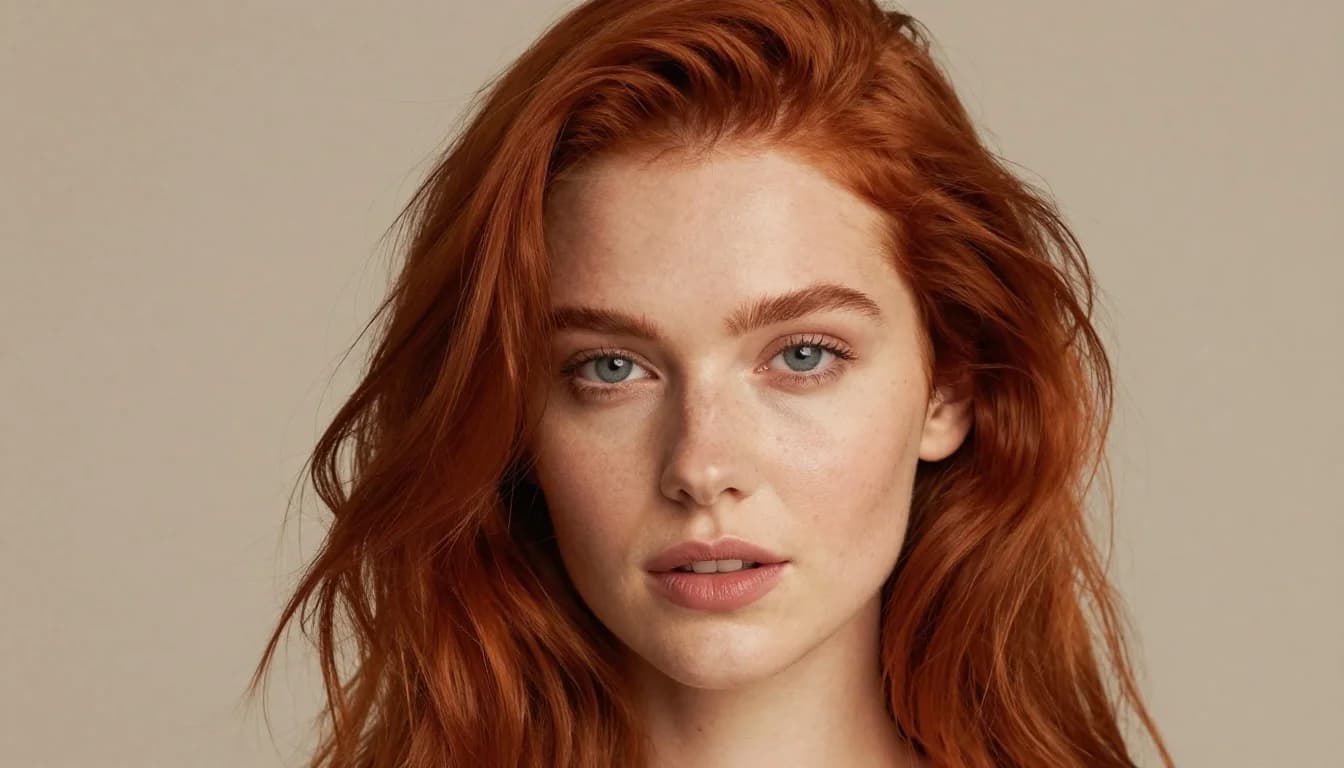
Colors That Make Red Hair Shine for Red Hair
Deep, Rich Greens
Green is red's complementary color — which means it creates the most flattering contrast possible. Deep forest green, emerald, and hunter green make red hair look richer, more vibrant, and more striking. This is the single most universally flattering color family for every shade of red hair, from strawberry to auburn to deep copper.
Warm Earth Tones
Earth tones share red hair's warm temperature without competing for attention. Chocolate brown, camel, warm tan, and cream create a harmonious, grounded palette that lets red hair remain the visual focal point. These colors feel natural and effortless on redheads — they complement without competing.
Deep Blue and Navy
Deep blues provide striking contrast against red hair without creating temperature conflict. Navy and cobalt are close enough to green on the color wheel to benefit from complementary contrast, while teal bridges the gap between blue and green. Deep blue makes red hair pop while remaining sophisticated and versatile.
Warm Burgundy and Wine
While reds and oranges too close to your hair color compete, deep burgundy and wine are dark enough to create contrast. These colors share red hair's warm base but occupy a much deeper value range, creating a rich, luxurious harmony rather than a same-tone clash.
Ready to Find Your Best Colors?
Get Your Color AnalysisHow to Build a Wardrobe Around Red Hair
Making green your signature
Green in all its forms is your ultimate flattering color family. Build a core wardrobe that includes forest green, emerald, hunter green, olive, and teal. These colors make red hair look more vibrant and striking than any other combination. A green blouse near your face will make your hair color the hero of every outfit — this is the power of complementary color contrast working in your favor.
Navigating the pink family
Not all pink is off-limits — just the mid-range pinks that compete with red hair. Very soft blush pink works as a neutral because it's light enough to create contrast. Deep berry and fuchsia work because they're dark or saturated enough to stand on their own. The pinks to avoid are the medium-warm tones: salmon, coral-pink, and warm rose that sit too close to red and copper on the spectrum.
Building around earth tones
Earth tones are redheads' neutral territory: chocolate, camel, warm cream, and rich tan all harmonize with red hair's warmth without competing for attention. Build your basics — trousers, jackets, bags, shoes — in warm earth tones, and use greens, deep blues, and burgundies as your accent colors near the face.
Adjusting for your specific red
Strawberry blondes have more flexibility with pastels because their hair is lighter and less saturated. Auburn and deep copper redheads should lean harder into deep, rich colors (forest green, navy, burgundy) because their hair is darker and more saturated, requiring more contrast from clothing. Bright ginger sits in the middle — vivid colors complement vivid hair.
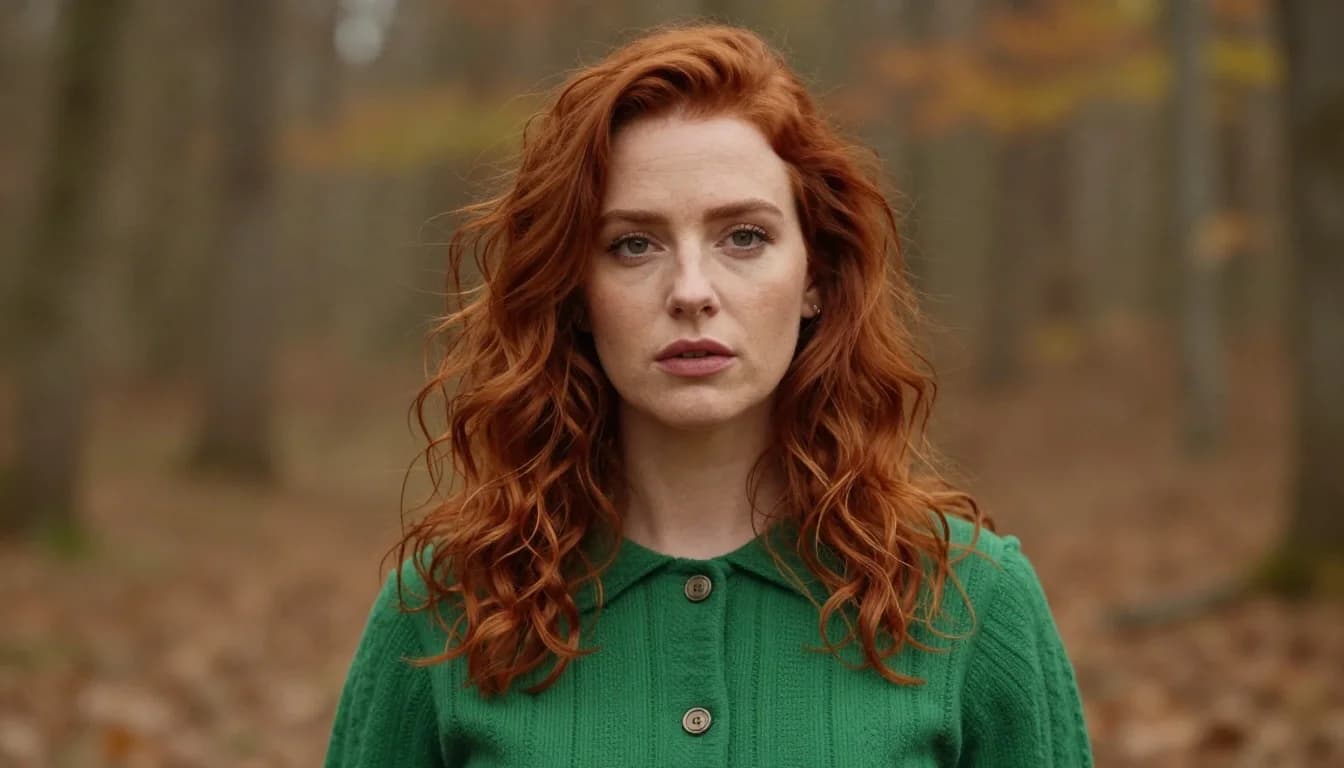
Colors That Clash With Red Hair
Orange and warm tangerine
Orange is the most common clash color for redheads because it sits right next to red on the color wheel. Wearing orange near red hair creates a monochromatic wash where hair and clothing blend together without contrast, flattening your most distinctive feature. Neither the hair nor the orange clothing stands out — both look diminished.
Certain pinks: hot pink, cool rose, and salmon
Pink is a tricky color for redheads because it straddles the line between red's territory and its own. Hot pink can clash by creating competing warm-cool signals near the face. Cool rose creates temperature disconnect with warm hair. Salmon sits too close to copper and strawberry tones, creating the same same-tone wash as orange. The pinks that work are either very soft (blush) or very deep (berry) — mid-range pinks are the danger zone.
Cool, icy pastels: baby blue, lavender, icy pink
Very cool pastels create a visual disconnect with warm red hair. The extreme temperature difference between icy blue-based pastels and warm copper-red hair makes the outfit feel disjointed — as if the hair and clothing belong to different color stories. Warmer versions of these pastels (warm lavender, soft sky blue) work much better.
Bright, true red clothing
Wearing true red with red hair creates the most extreme version of the same-tone clash. When your clothing matches your hair color too closely, the eye can't distinguish between the two from a distance, and neither your hair nor your outfit makes a statement. Deep, dark reds (burgundy, wine) work because they're dark enough to create contrast; true red doesn't.
Stop Guessing, Start Wearing Your Colors
Discover Your PaletteSwaps That Make Red Hair Pop
Trading clashing competition for complementary harmony.
Orange blends into red hair without contrast. Green is red's complementary color — it makes your hair look richer and more vibrant by contrast.
Salmon competes with copper and strawberry hair tones. Blush is light enough and berry is deep enough to create contrast rather than competition.
True red matches your hair too closely, flattening both. Burgundy creates depth contrast; emerald creates complementary contrast — both make your hair the star.
Icy blue creates a jarring temperature disconnect with warm hair. Deep navy and warm teal provide color interest while staying temperature-compatible.
Hot pink sends conflicting warm-cool signals near red hair. Plum and teal both complement red hair beautifully — plum with warmth, teal with complementary contrast.
Cool grey can look disconnected from warm red hair. Warm neutrals share your hair's warm temperature, creating effortless harmony.
Seasonal Palettes for Redheads
Red hair most commonly appears in warm seasonal palettes — Warm Autumn, Warm Spring, and Soft Autumn — because the pheomelanin that creates red hair is inherently warm. Your specific seasonal palette determines whether you need richer, deeper colors or brighter, clearer ones alongside the universal redhead advice above.
Warm Autumn
Learn moreThe most common seasonal palette for redheads. Warm autumns with red hair thrive in rich, warm, earthy colors: deep olive, warm chocolate, burnt sienna, and deep teal. Your avoid list emphasizes cool pastels, bright orange, and anything icy — these create the most dramatic clash against your warm, muted coloring.
Warm Spring
Learn moreWarm springs with red hair have brighter, clearer coloring than autumns — often with lighter, more golden-red hair. You thrive in bright warm colors: warm turquoise, bright coral (not salmon), clear warm green, and bright golden yellow. Avoid muted, dusty tones as well as cool pastels.
Soft Autumn
Learn moreSoft autumns with red hair often have more muted, auburn tones rather than bright copper. Your palette is warm but gentle: soft olive, warm sage, muted terracotta, and warm dusty rose. Avoid both very bright colors (which overwhelm your softness) and very cool colors (which clash with your warmth).
Find Your Perfect Redhead Palette
Red hair is your most distinctive feature — and the right color palette makes it look extraordinary. A personalized color analysis identifies your exact seasonal palette alongside your hair's specific warmth, depth, and brightness, giving you a curated set of colors that make your red hair the stunning focal point it should be.
Get Your Color AnalysisRelated Guides for Red Hair
Explore more personalized color advice based on your features.
Frequently Asked Questions About Red Hair
What colors should redheads avoid?
Redheads should generally avoid orange (too close to hair color), certain mid-range pinks (salmon, coral-pink, warm rose), cool icy pastels (baby blue, icy pink, cool lavender), and true bright red clothing. These colors either compete with red hair or create temperature disconnect. The best alternatives are deep greens, navy, burgundy, earth tones, and soft neutrals.
Can redheads wear pink?
Yes — but choose carefully. Very soft blush pink works as a near-neutral, and deep berry or fuchsia works because it's saturated enough to create contrast. Avoid mid-range warm pinks like salmon and coral-pink, which sit too close to copper and strawberry tones and create a washed-out, competing effect.
Why does green look so good on redheads?
Green is red's complementary color on the color wheel, which means it creates the highest possible contrast enhancement. When you place green next to red hair, both colors appear more vivid and vibrant. This is why forest green, emerald, and hunter green are universally flattering on every shade of red hair — the complementary relationship is doing the work.
Can redheads wear red clothing?
Deep, dark reds — burgundy, wine, merlot, and oxblood — work well because they're dark enough to create contrast with your hair. True bright red clothing matches your hair too closely, creating a same-tone wash where neither stands out. The key is value contrast: if the red is significantly darker than your hair, it works.
Does the shade of red hair affect what colors to avoid?
Yes. Strawberry blondes have more flexibility with pastels and lighter colors because their hair is less saturated. Deep auburn and copper redheads need more contrast and should lean into rich, deep colors. Bright ginger sits in the middle and is complemented by equally vivid colors. All shades of red hair share the core avoid list (orange, certain pinks), but the intensity and depth of alternatives vary.