The Colors That MakeYou Look Younger
Color has a more dramatic anti-aging effect than most people realize. The right shades lift your complexion, brighten the eye area, and make your skin look luminous. The wrong ones cast shadows, emphasize lines, and drain your natural radiance. Here's exactly what works — and why.
Discover Your ColorsWhy Color Ages You More Than Wrinkles Do
As skin matures, it naturally loses some of its pigment saturation and warm undertones. Colors that clashed beautifully against vivid young skin can suddenly look harsh or draining. The goal shifts from contrast to harmony — colors that work with your current complexion rather than fighting it.
The key principle is luminosity near the face. Colors close to your face are what your eye reads first. If those colors create warm, bright reflections on your skin, you look refreshed and alive. If they create cool, shadowy reflections, the effect ages you. This is why a simple color swap near the collar or neckline can look like you slept eight hours.
Your undertone remains constant throughout life, which is good news — it means the family of colors that has always worked for you still will. What changes is which specific shades within that family to lean toward. Generally: lighter, softer, and warmer within your natural range rather than deep, muted, or ashy.
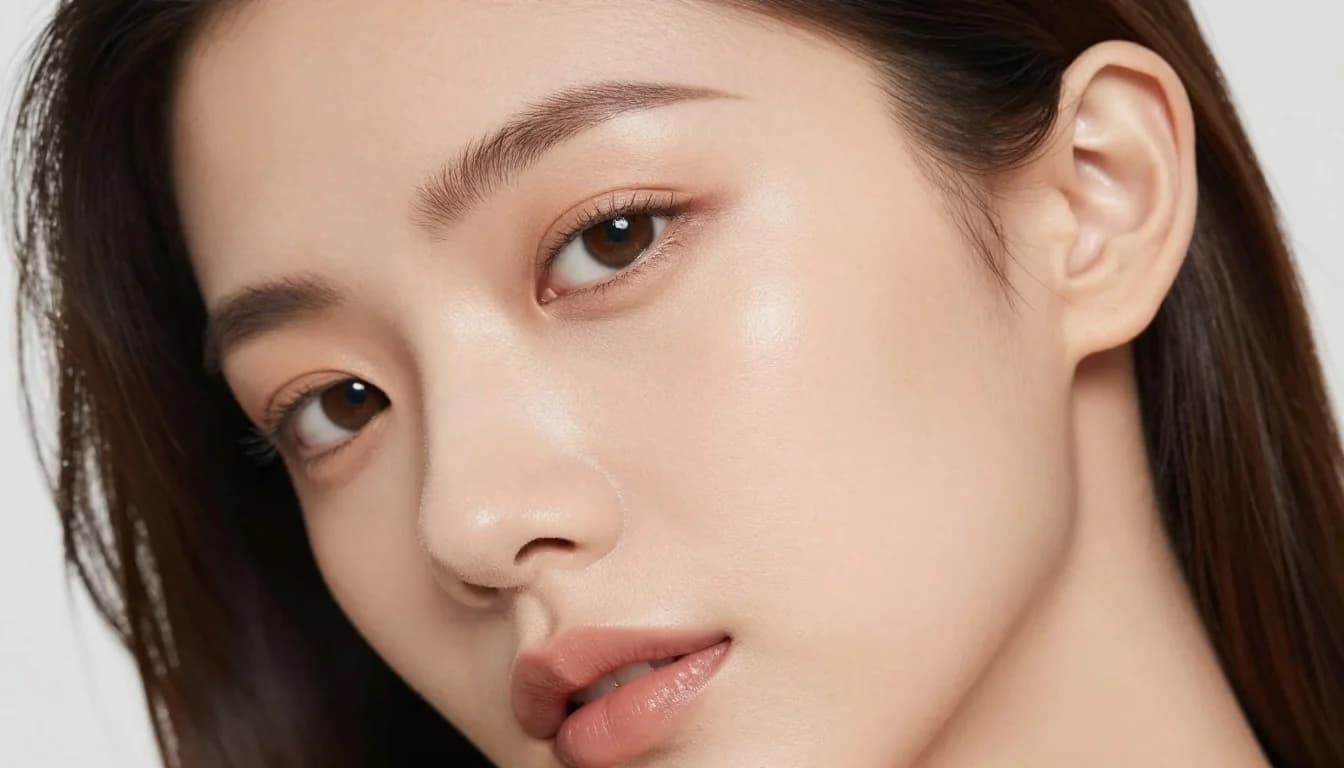
Colors With the Most Youthful Effect for You Look Younger
Warm Whites and Soft Creams
Pure stark white reflects light in a cool, harsh way that can emphasize shadows under the eyes and around the nose. Warm whites and creams do the opposite — they bounce warm light onto the face and create a luminous, lit-from-within quality. This single swap — from bright white to ivory or warm cream — is one of the fastest anti-aging moves in your wardrobe.
Peachy and Coral Tones
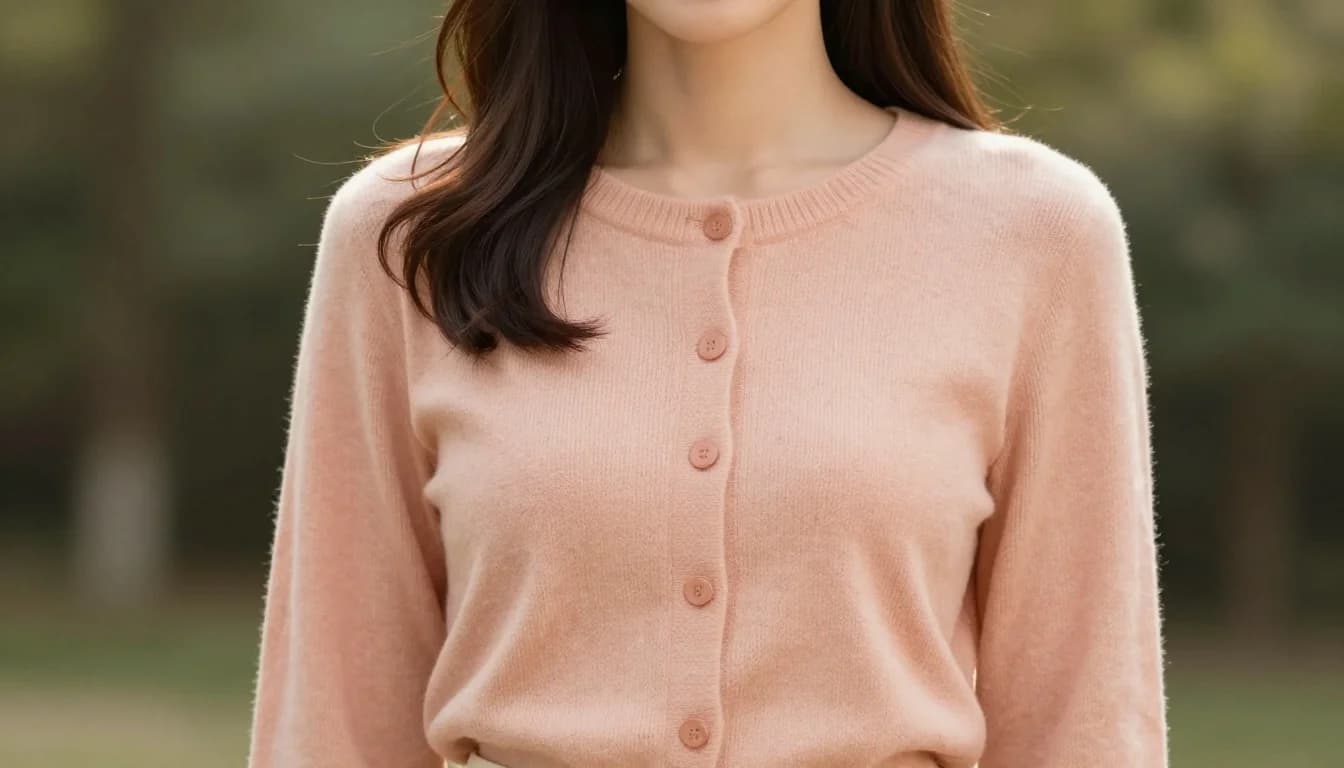
Peach and coral are universally youthful-looking because they mimic the natural warmth of healthy, flushed skin. They cast warm, rosy-golden reflections near the face that counteract the greyness that skin can take on with age. These shades work across a wide range of undertones — warm peach on warm-toned skin, slightly cooler coral on neutral and cool-toned skin.
Soft, Warm Pinks
Pink is one of the most reliably youthful colors to wear near the face because it reflects rosy warmth onto the skin. The key is choosing warm-leaning pinks rather than cool bubblegum or fuchsia. Blush, dusty rose, and mauve all create a gentle warmth that makes the complexion look fresher and more awake without trying too hard.
Clear, Bright Jewel Tones
For high-contrast coloring — particularly cool-toned individuals with dark features — clear, vivid jewel tones are more rejuvenating than muted or dusty shades. The brightness creates vibrancy and energy without being harsh. The trick is keeping the tone clear rather than muted — a clear sapphire rather than a grey-blue, a true emerald rather than a sage.
Ready to Find Your Best Colors?
Get Your Color AnalysisHow to Use Color for a Younger Look
Near Your Face
The collar, neckline, and anything within a foot of your face has the most impact. Even if you're wearing black trousers and a grey jacket, a blush or ivory scarf near the face can make your whole complexion look more radiant. This is the highest-return area for anti-aging color strategy — put your best colors here.
Tops and Blouses
Warm, light-reflecting fabrics in peach, coral, blush, ivory, or soft blues are your most youthful options. Avoid heavy, dark tops directly at the face. If you love rich, dark colors, balance them with a lighter accessory or jewelry that brings warmth up toward the face.
Makeup Colors
The same principle applies to makeup: warm-toned blush, coral or rose lip shades, and warm highlighter create a youthful flush. Avoid very cool, flat foundation shades that erase warmth from the skin. A slightly warm concealer and peachy blush do more for the 'years younger' effect than any color-neutral product.
Jewelry and Accessories
Gold jewelry reflects warm light onto the skin more effectively than silver. A gold necklace near the face, warm gold earrings, or a rose gold bracelet all add warmth and luminosity. If you prefer silver, look for pieces with gemstones in warm tones — amber, citrine, coral — to add color warmth near the skin.
Colors That Add Years
Stark, cool white
Pure, cool-toned white reflects light in a way that picks up every shadow on the face, emphasizing hollows, lines, and under-eye circles. It also creates a very stark contrast that can look severe on mature skin. Switch to ivory, soft white, or warm cream — the difference is immediate and significant.
Ashy, grey-toned neutrals
Greyed-out, ashy versions of any color — grey-brown, dusty taupe, greige, ash grey — tend to make mature skin look dull and flat. These colors have very little warmth or vibrancy, and skin reflects that dullness back. If you love neutrals, choose ones with warmth: camel over taupe, warm ivory over greige, cognac over muddy brown.
Very dark, heavy black near the face
While black works as a staple, all-black outfits with nothing near the face can create a stark, shadowy quality that emphasizes lines and hollows rather than your features. If you love black, add a warm or bright color near your face — a blush scarf, a warm coral necklace, or a cream collar — to redirect light upward.
Muddy, low-saturation earth tones
Dusty, muddy versions of brown, khaki, or olive can make the complexion look sallow. The lack of clarity in these tones mirrors and amplifies any dullness in the skin. If you love earth tones — and you should, they're versatile — choose clean, warm versions: rich camel rather than dirty khaki, warm chocolate rather than grey-brown.
Stop Guessing, Start Wearing Your Colors
Discover Your PaletteEasy Color Swaps for a Younger Look
Simple changes that make a visible difference in how your coloring reads.
Warm white reflects light onto skin warmly; cool white emphasizes shadows and lines.
Peachy tones cast a flushed warmth on the skin that looks fresh and alive; grey drains the face.
Warm-toned scarves near the face reflect light upward; dark colors shadow the jaw and neck.
Clear warm neutrals have luminosity that flatters mature skin; muddy tones create a dull mirror effect.
Gold reflects warm light onto skin, creating a lit-from-within quality that silver cool tones cannot.
A warm color near the face lifts the complexion; pure black without any warmth creates shadow near the jaw.
Which Palette Might Be Yours?
The most youthful colors for you specifically depend on your seasonal palette. Each season has its own version of these anti-aging principles:
Soft Summer or Light Summer
Learn moreMuted, cool-leaning seasons look most youthful in soft rose, dusty mauve, warm lavender, and light camel. Overly bright or warm colors can look harsh; keep everything gentle and slightly desaturated.
Warm Autumn or Soft Autumn
Learn moreWarm, earthy seasons look most youthful in warm peach, terracotta, camel, and soft gold. The warmth and earthiness should stay clear rather than muddy — think clean camel, true terracotta, and golden ivory.
Cool Winter or Deep Winter
Learn moreHigh-contrast, cool seasons look most youthful in clear, vivid colors — sapphire, emerald, true red, and bright white rather than ivory. The contrast is what creates the youthful energy for winter types.
Find Your Exact Youthful Palette
The anti-aging power of color is real, but the specific shades that work best depend on your individual undertone, contrast level, and seasonal coloring. A personalized color analysis identifies exactly which shades lift your particular complexion — so you can shop with precision and stop guessing.
Get Your Color AnalysisFrequently Asked Questions About You Look Younger
What colors make you look younger?
Warm whites, peach and coral tones, soft warm pinks like blush and dusty rose, and clear jewel tones are the most reliably youthful colors to wear near the face. The key is choosing colors that reflect warm light onto the skin rather than cool, shadowy tones.
Does wearing black make you look older?
All-black outfits with nothing near the face can emphasize shadows and lines, which can age you. However, black paired with a warm, bright color near the face — a blush scarf, gold jewelry, or a coral necklace — looks elegant and youthful. It is the absence of warmth near the face, not black itself, that ages.
What colors should you avoid as you age?
Stark cool white, ashy or grey-toned neutrals, very dark colors worn head-to-toe near the face, and muddy low-saturation earth tones tend to age most people. These shades either reflect cool, shadowy light onto the face or drain the skin of warmth and luminosity.
Why does ivory look better than white as you get older?
Ivory and warm cream contain yellow undertones that reflect warm light onto the skin, creating a luminous, flattering quality. Stark white contains cool blue undertones that reflect cool light, which can emphasize shadows, lines, and any grayness in the skin.
Does wearing pink make you look younger?
Yes — warm-toned pinks like blush, dusty rose, and warm mauve are among the most universally youthful colors to wear near the face because they mimic the natural flush of healthy skin. Avoid very cool or neon pinks, which can look jarring rather than flattering.