How to Find YourBest Lipstick Shade
Most women pick lipstick by trend, brand loyalty, or what looks good on someone else — and that is exactly why so many lipsticks end up in a drawer after one wear. The wrong shade can wash you out, make your teeth look yellow, clash with your skin, or age you by a decade. The right shade does the opposite: it brightens your complexion, makes your features pop, and looks like it belongs on your face. The difference comes down to three things — your undertone, your contrast level, and your seasonal palette.
Discover Your ColorsWhy Most Lipstick Choices Go Wrong
Lipstick sits at the center of your face, directly next to your skin, teeth, and eyes. That proximity means even small undertone mismatches are immediately visible. A warm-toned lipstick on cool-toned skin creates a muddy, unflattering contrast. A cool-toned pink on warm skin looks ashy and disconnects from your natural coloring. The shade does not exist in isolation — it interacts with everything around it.
Contrast level matters just as much as undertone. If you have high contrast coloring — dark hair, light skin, strong features — you can carry bold, saturated lipstick shades that would overwhelm someone with low contrast coloring. Conversely, a deep berry lip on someone with soft, muted coloring will look like the lipstick is wearing them, not the other way around.
Seasonal color analysis solves the lipstick problem because it accounts for both undertone and contrast simultaneously. A Warm Autumn needs different lipstick shades than a Cool Winter, and a Soft Summer needs different shades than a Bright Spring — even if two of those people have similar skin depth. Understanding your season gives you a precise range of shades that will always work.
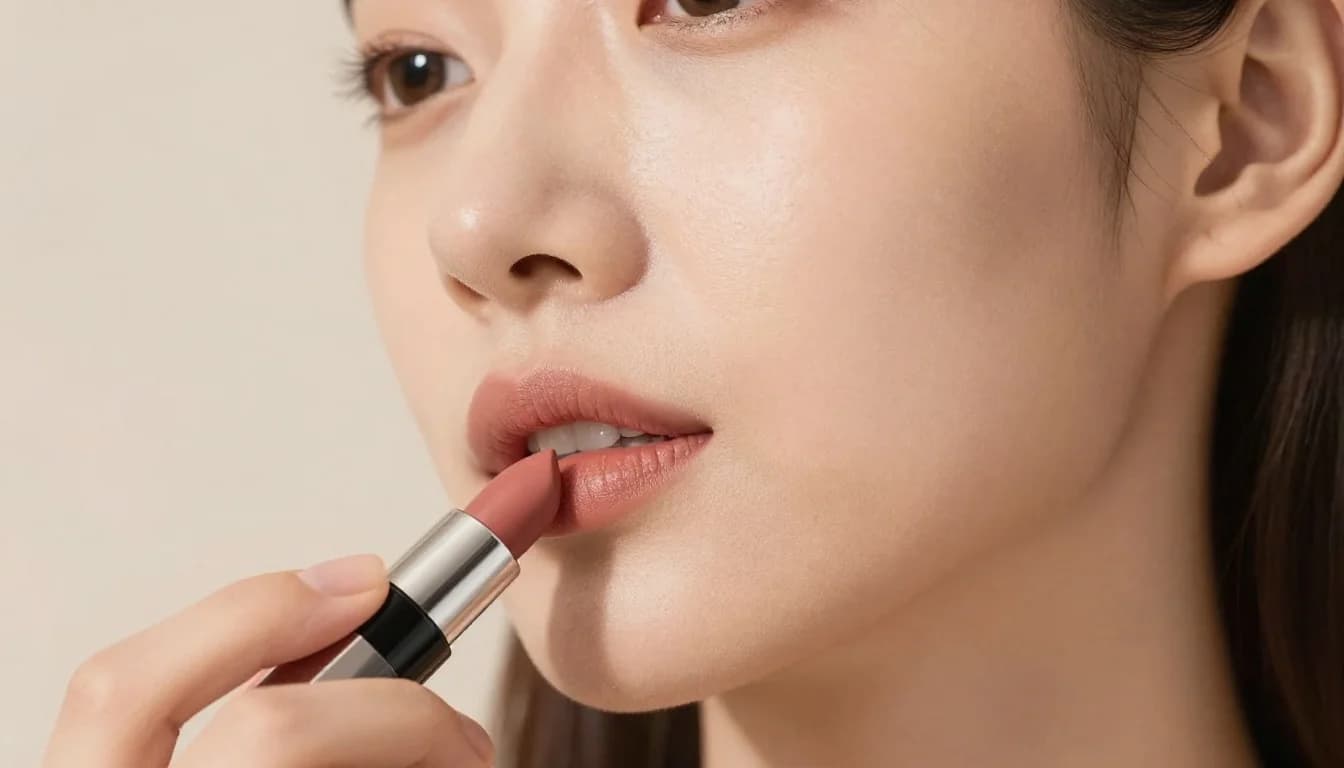
Best Lipstick Shade Families by Undertone for Best Lipstick Shade
Warm Undertone Lipsticks
Warm undertones need lipstick with yellow, orange, or peach bases. Warm nudes should lean peach or caramel rather than pink. Your corals should be true warm coral, not salmon-pink. Bold shades work best in brick red, warm berry, or burnt sienna — never blue-based red or fuchsia. The warmth in the lipstick echoes the warmth in your skin for a cohesive, natural-looking result.
Cool Undertone Lipsticks
Cool undertones need lipstick with pink, blue, or berry bases. Your nudes should be cool pink or mauve-toned, never peachy or orange. Berry, wine, and plum are your bold shade territory. True red for cool undertones is always blue-based — it makes teeth look whiter and skin look clearer. Avoid anything with an orange or coral base, which will look muddy against cool skin.
Neutral Undertone Lipsticks
Neutral undertones have the widest range but still have boundaries. Your nudes are rose-based — neither strongly peachy nor strongly mauve. Dusty mauve is often the universally flattering everyday shade for neutrals. True balanced reds work beautifully. You can pull from both warm and cool families in moderation, but extremes in either direction will still look off.
Olive Undertone Lipsticks
Olive skin has green-yellow undertones that react uniquely with lipstick. Cool pinks can look ashy or grey against olive skin. Bright corals can clash. Your best range is warm, slightly muted shades — fig, warm rose, burnt sienna, and deep warm berries. Muted, complex shades with some brownish depth tend to look most natural and sophisticated on olive complexions.
Ready to Find Your Best Colors?
Get Your Color AnalysisHow to Wear Lipstick for Every Occasion
Everyday Nude Range
Your everyday lipstick should be close to your natural lip color but slightly enhanced — one shade deeper or more saturated. For warm undertones, this means warm pink-peach. For cool undertones, cool rose or mauve. For neutral undertones, a balanced dusty rose. This is the shade you can apply without a mirror and it always looks right.
Office and Professional Settings
A medium-depth shade in your undertone family reads as polished without being distracting. Warm undertones: muted rose-coral or warm rosewood. Cool undertones: berry-rose or cool rose. The goal is enhancement, not statement. Matte or satin finishes read more professional than high-gloss.
Bold and Evening Looks
Bold lipstick works when the shade matches your undertone and your contrast level can support it. High-contrast coloring (dark hair, light skin) can carry deep berry, true red, or rich plum. Low-contrast coloring should reach for medium-depth versions of bold shades — a muted berry rather than a stark wine, a soft red rather than an opaque crimson.
Matching Lipstick to Outfit Colors
Your lipstick does not need to match your outfit — but it should not clash with it. A warm coral lip with a cool fuchsia dress creates visual tension. The simplest rule: if your outfit is warm-toned, wear warm lipstick. If cool-toned, wear cool lipstick. When in doubt, a neutral rose or your everyday nude works with everything.
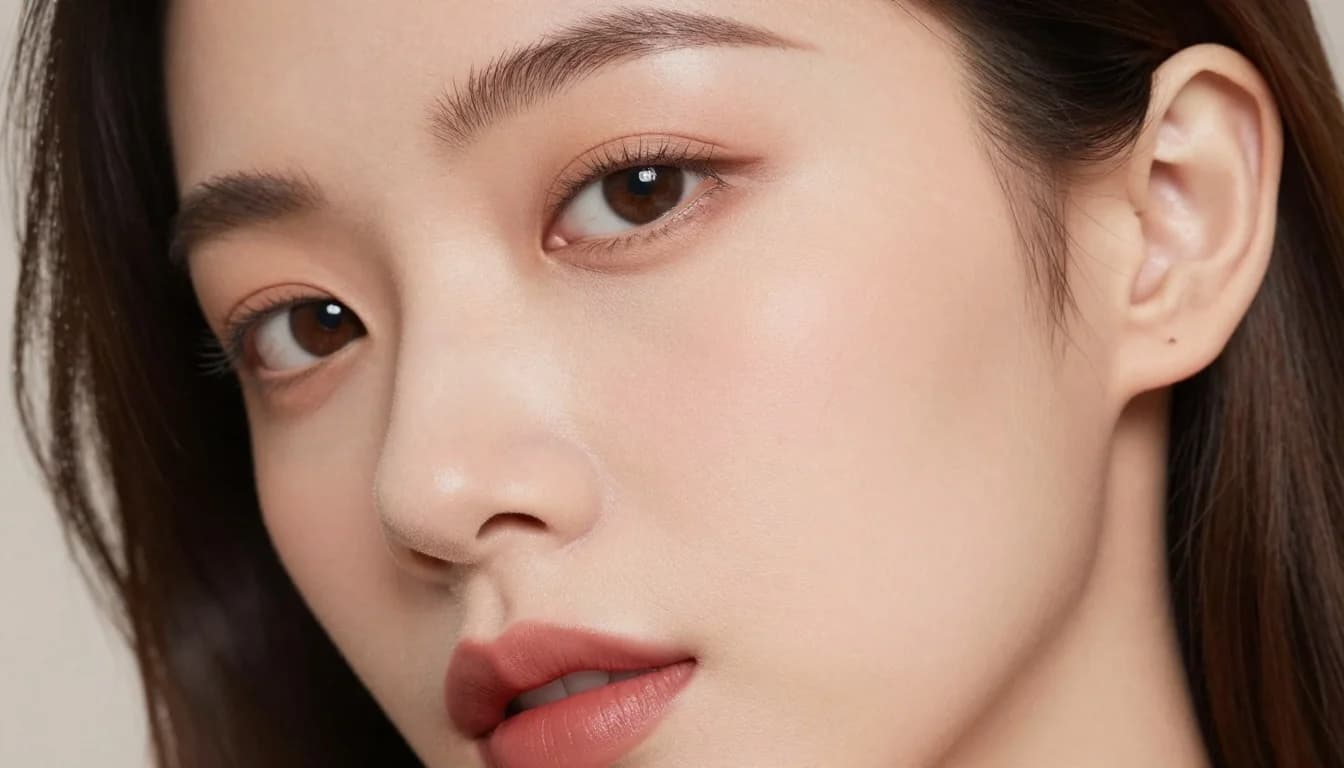
Lipstick Shades That Work Against You
Cool fuchsia on warm undertones
Blue-based fuchsia against warm skin creates a harsh, disconnected look. The cool pigment has nothing to harmonize with in warm coloring, so the lipstick looks stuck on rather than part of your face. Try warm coral-pink or warm magenta instead.
Peachy nude on cool undertones
Peach-based nudes against cool pink skin look sallow and unflattering. The warm orange tones in peach nudes fight with the cool blue tones in your skin, creating a muddy, washed-out appearance around the mouth. Choose cool mauve or pink-based nudes instead.
Very pale nude that matches your skin tone exactly
A lipstick that is the same color as your skin erases your lips from your face, creating a flat, featureless look that ages you. Your nude lipstick should be close to your lip color or one to two shades different from your skin — not identical to it.
Very dark shades on low-contrast coloring
A deep burgundy or dark plum on someone with soft, muted features creates an imbalance where the lip color dominates. The lipstick becomes the focal point rather than your face. If you love dark shades, choose muted, sheered-out versions that stay within your contrast range.
Stop Guessing, Start Wearing Your Colors
Discover Your PaletteLipstick Shade Swaps That Transform Your Look
Common shade mistakes and the alternatives that actually flatter.
Generic pink splits the difference and flatters no one perfectly. Choosing your undertone-specific pink makes the shade look natural rather than applied.
Blue-based red on warm skin looks jarring and makes teeth look yellow. Warm reds with orange or brick undertones harmonize with warm coloring and brighten the complexion.
Concealer-lip erases your features and looks dated. A nude that is close to your lip color but slightly enhanced looks fresh, modern, and flattering.
Full-opacity dark shades overwhelm soft, muted coloring. A sheered-out or muted version gives you the drama without the imbalance.
Cool berry reads purple and ashy on warm skin. Warm berry with brownish depth integrates with warm coloring and looks rich rather than harsh.
Neon coral overwhelms most complexions and looks synthetic. Muted warm coral has the same energy but sits harmoniously on the skin.
Best Lipstick Ranges by Season
Your seasonal palette narrows down exactly which lipstick shades will look most natural and flattering on you. Here are three key seasons and their ideal lipstick ranges:
Warm Autumn
Learn moreWarm, earthy, slightly muted shades are your lipstick sweet spot. Think terracotta, warm rosewood, burnt sienna, spiced peach, and warm fig. Your bold shade is brick red or warm wine — never blue-based. Nudes should be warm caramel-rose, never cool pink.
Cool Winter
Learn moreClear, cool, saturated shades with blue or berry undertones are your territory. True blue-based red, deep berry, cool fuchsia, and icy pink all work beautifully. Your nude is cool rose or pink-mauve. You can handle bold, saturated shades that would overwhelm softer seasons.
Soft Summer
Learn moreSoft, muted, cool-leaning shades that never overpower your gentle coloring. Dusty rose, soft mauve, muted berry, and gentle pink-brown are ideal. Avoid anything too bright, too warm, or too dark — your lipstick should enhance your natural softness, not compete with it.
Find Your Perfect Lipstick Palette
The best lipstick shade is not about following trends or copying someone else's signature color — it is about understanding the specific interaction between pigment and your unique skin. A personalized color analysis identifies your undertone, contrast level, and seasonal palette, giving you a precise range of lipstick shades that will always look naturally beautiful on you. No more drawer full of wrong shades.
Get Your Color AnalysisFrequently Asked Questions About Best Lipstick Shade
How do I find my most flattering lipstick shade?
Start with your undertone: warm undertones suit peach, coral, and warm red shades; cool undertones suit berry, mauve, and blue-based red shades; neutral undertones can wear balanced rose and true red. Then consider your contrast level — high contrast coloring can carry bold, saturated shades while low contrast coloring looks best in muted or medium-depth shades.
Why does lipstick sometimes make my teeth look yellow?
Lipstick with warm orange or yellow undertones can emphasize yellow in your teeth by proximity contrast. Blue-based reds and cool berry shades have the opposite effect — they make teeth appear whiter. If white teeth are a priority, choose lipstick with cool or blue undertones regardless of your skin undertone.
What is the most universally flattering lipstick shade?
A medium-depth dusty rose with balanced warm-cool undertones comes closest to universally flattering. It has enough pink to brighten, enough warmth to avoid looking cold, and enough depth to register without overwhelming. However, no single shade is truly universal — your specific undertone version of dusty rose will always look better than a generic one.
Should my lipstick match my outfit?
Your lipstick should harmonize with your outfit but does not need to match it. The most important match is between your lipstick and your skin undertone. A warm-toned lip with a warm-toned outfit looks cohesive. If your outfit is cool-toned, a cool-toned lip works best. Your neutral everyday shade works with virtually any outfit color.
Can I wear bold lipstick if I have soft coloring?
Yes, but choose muted or sheered-out versions of bold shades rather than full-opacity saturated colors. A muted berry or soft wine gives you boldness without overwhelming your natural softness. The key is matching the intensity of the lipstick to the intensity of your coloring.