Who Can WearPink?
Pink is far more versatile than most people give it credit for. It is not one colour — it is a vast family spanning warm peach-pink through cool fuchsia to muted dusty rose. Almost every seasonal palette contains a version of pink. Warm skin glows in coral and peach-pink. Cool skin comes alive in fuchsia and mauve-pink. Muted coloring finds its perfect match in dusty rose and soft blush. The perception that pink is limiting or suits only certain people is simply a misunderstanding of how wide the pink spectrum really is. You can almost certainly wear pink. The only question is which one.
Discover Your ColorsWhy Pink Works Across Almost Every Skin Tone
Pink sits between red and white on the colour spectrum, but its real versatility comes from its ability to lean warm or cool. Warm pinks (coral, peach, salmon) carry an orange-warm quality that flatters warm undertones. Cool pinks (fuchsia, magenta, mauve) carry a blue-cool quality that flatters cool undertones. Neutral pinks (true pink, medium rose) sit in the middle and work on a wide range of complexions. This warm-cool range is what makes pink accessible to almost everyone.
Saturation creates the second axis of choice. Vivid, saturated pinks — hot pink, bright fuchsia, electric coral — suit high-contrast, clear coloring. They need strong features to balance their energy. Muted pinks — dusty rose, soft blush, mauve — suit softer, lower-contrast coloring. They match the gentle saturation of muted complexions. The mistake is wearing vivid pink on muted skin (the pink overwhelms) or muted pink on vivid skin (the pink looks washed out).
Depth is the third variable. Light, pale pinks suit fair-to-medium complexions where the lightness creates a delicate, fresh effect. Deep, rich pinks suit medium-to-deep complexions where the depth creates contrast. A pale baby pink on deep skin can look chalky. A deep fuchsia on very fair, delicate coloring can look harsh. Match the pink's depth to your coloring's depth, and it will look natural rather than forced.

The Right Pink for Your Coloring for Pink?
Warm Pinks: Coral, Peach, Salmon
Warm pinks carry an orange or golden quality that harmonizes with warm, golden, olive, and peachy skin tones. Coral is the most vibrant warm pink — bold and fresh. Peach-pink is gentler, perfect for fair warm skin and Light Spring coloring. Salmon bridges pink and orange in a way that suits warm neutral skin beautifully. Warm rose has depth without losing its warm quality.
Cool Pinks: Fuchsia, Magenta, Mauve-Pink
Cool pinks carry a blue or purple quality that resonates with cool, pink-based, and neutral-cool skin tones. Fuchsia is the most vivid cool pink — stunning on Bright Winter and Cool Winter coloring. Magenta sits between pink and purple and creates striking contrast on cool skin. Mauve-pink is softer, suited for Cool Summer. Berry-pink adds depth for medium cool complexions.
Muted Pinks: Dusty Rose, Blush, Soft Pink
Muted pinks have been softened with grey or brown, creating quiet, sophisticated shades that suit muted seasonal types. Dusty rose is the most universally flattering muted pink — it works on both warm-muted (Soft Autumn) and cool-muted (Soft Summer) complexions. Soft blush is lighter and fresher. These pinks function almost as neutrals in muted wardrobes.
Bright True Pinks: Bubblegum, Hot Pink, Candy
Bright, saturated pinks demand clear, high-contrast coloring. Bright Spring and Bright Winter types carry these pinks with effortless vibrancy — the colours match their natural energy. Hot pink creates one of the most eye-catching effects in fashion when the coloring supports it. On muted or low-contrast skin, these pinks overwhelm. On clear, vivid coloring, they are electric.
Ready to Find Your Best Colors?
Get Your Color AnalysisHow to Wear Pink With Confidence
Start with dusty rose if you are unsure
Dusty rose is the safest entry point into pink. Its muted quality makes it function as a warm neutral, and it flatters both warm-muted and cool-muted complexions. A dusty rose sweater, blouse, or scarf works with navy, grey, cream, denim, and most wardrobe neutrals. If dusty rose looks good on you, you can confidently explore brighter or cooler pinks from there.
Pink with navy for everyday polish
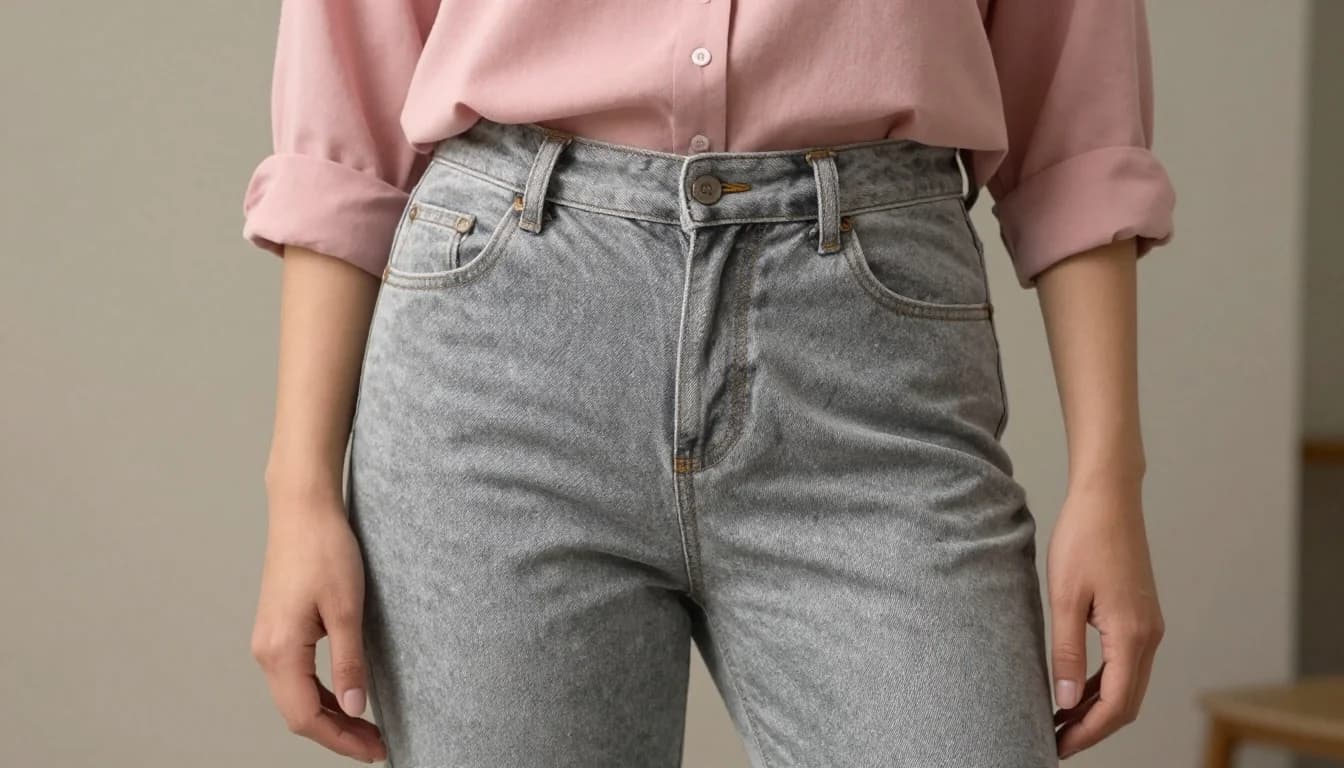
Pink and navy is one of the most reliable pairings in fashion. The warm-cool contrast creates visual interest, both colours are grounded enough for any setting, and the combination works across every version of pink. Coral with navy, dusty rose with navy, fuchsia with navy — all work. This is the go-to pairing when you want pink to look sophisticated.
Use pink near the face for the best effect
Pink's skin-enhancing properties are most visible near the face. A pink scarf, blouse, or necklace brightens the complexion in a way that pink trousers or shoes cannot. The right temperature of pink near the face creates a natural-looking warmth or coolness that makes skin look healthy and luminous. Position your best pink where it interacts with your complexion.
Tone-on-tone pink for sophistication
Layering different values of the same pink — pale blush with medium rose and deep mauve, for example — creates a monochrome effect that reads as polished and intentional. The key is staying within the same temperature: all warm pinks or all cool pinks. Mixing warm and cool pinks in a monochrome look creates a dissonance that undermines the cohesion.
Pink Shades That Work Against You
Warm coral-pink on distinctly cool skin
Coral has an orange warmth that can create a sallow or yellowish cast against cool, pink-based skin. The orange fights the cool undertone. Cool skin should reach for fuchsia, mauve-pink, or cool rose instead — versions where the pink's temperature matches the skin.
Cool fuchsia on distinctly warm skin
Fuchsia's strong blue-purple quality can look harsh and cold against warm, golden skin. The coolness drains the skin's natural warmth. Warm skin should choose coral, peach-pink, or warm rose — pinks that share and amplify the golden undertone.
Vivid hot pink on muted, soft coloring
Hot pink has extreme saturation that overwhelms soft, muted features. The pink becomes the focal point; the person recedes. Soft Autumn, Soft Summer, and other muted types look more harmonious in dusty rose, soft blush, or muted pink that matches their low-saturation coloring.
Pale baby pink on deep skin tones
Very pale pink against deep skin lacks contrast and can look chalky or washed out. Deep skin needs deep pink — vivid fuchsia, rich berry-pink, deep coral — colours with enough depth and saturation to hold their own against the skin's visual weight.
Stop Guessing, Start Wearing Your Colors
Discover Your PalettePink Swaps for Your Specific Coloring
The right shade of pink creates a glow. The wrong one creates a clash. These swaps find your match.
Coral's orange warmth clashes with cool skin. Fuchsia and mauve share your cool temperature and create clean, flattering contrast.
Cool magenta drains warm golden skin. Coral and peach amplify your natural warmth and create a vibrant, healthy glow.
Hot pink overwhelms soft features. Dusty rose matches your natural saturation and looks like it belongs with your coloring rather than competing with it.
Baby pink fades against deep skin. Vivid fuchsia and berry-pink create the bold, luminous contrast that makes deep complexions radiant.
Bubblegum pink can read as too casual in professional settings. Dusty rose and warm rose carry pink's approachability in a grounded, polished register.
Generic pink accessories look random. Temperature-matched pink — warm or cool, chosen for your undertone — looks intentional and elevates the entire outfit.
Your Season, Your Pink
Pink appears in almost every seasonal palette — it is one of the most broadly represented colours across all twelve seasons. Your season determines the specific temperature, depth, and saturation of pink that flatters you most.
Light Spring
Learn moreLight Spring wears the softest, warmest pinks: peach-pink, warm blush, light coral, and soft warm rose. These gentle, warm pinks match Light Spring's delicate, fresh warmth. Bright or cool pinks can overwhelm. Light Spring's pink should feel like the inside of a seashell — warm, light, and luminous.
Cool Summer
Learn moreCool Summer wears cool, soft pinks: mauve-pink, soft raspberry, cool rose, and muted fuchsia. These share Cool Summer's cool, muted quality. Warm coral would clash. Cool Summer's pink should feel like a cool garden rose — soft, cool, and slightly grey-touched.
Bright Winter
Learn moreBright Winter wears the most vivid, saturated pinks: hot pink, vivid fuchsia, bright magenta, and electric pink. Their high-contrast, clear coloring matches these bold pinks beat for beat. On Bright Winter, vivid pink does not look loud — it looks exactly right. Muted or dusty pink looks flat and lifeless on this vivid season.
Find Your Pink
Pink is not a single colour, and it is not limited to a single type of person. It is a spectrum as wide as any colour family — from the warmth of coral to the coolness of fuchsia to the softness of dusty rose. Your version of pink is determined by your undertone, your contrast level, and your season. When you find it, pink becomes one of the most versatile and flattering colours in your wardrobe. A personalized colour analysis shows you exactly which pink is yours.
Get Your Color AnalysisFrequently Asked Questions About Pink?
Can everyone wear pink?
Almost everyone has a flattering shade of pink. Warm undertones suit coral, peach, and warm rose. Cool undertones suit fuchsia, mauve, and cool berry-pink. Muted coloring suits dusty rose and soft blush. High-contrast coloring suits vivid hot pink. The pink family is so broad that exclusion from it is rare — but wearing the wrong shade within the family is common.
What shade of pink suits dark skin?
Deep skin tones look striking in vivid, saturated pinks: bright fuchsia, vivid hot pink, deep berry-pink, and rich coral. The contrast between deep skin and bold pink creates a luminous, high-impact effect. Avoid very pale baby pink, which can look chalky. Deep warm skin suits deep coral and warm rose. Deep cool skin suits vivid fuchsia and magenta.
What shade of pink suits olive skin?
Olive skin typically has warm undertones, so warm pinks work best: coral, peach-pink, warm rose, and salmon. These share the golden warmth of olive skin. Cool fuchsia can look harsh on olive complexions. Dusty rose also works well on olive skin because its muted quality harmonizes with olive's muted nature.
Is dusty rose warm or cool?
Dusty rose sits in the neutral-muted zone — it has both warm (pink) and cool (grey) qualities, which is why it works on both warm-muted and cool-muted complexions. It is one of the most versatile shades in the pink family. It leans slightly warm compared to mauve-pink but slightly cool compared to coral. This neutrality is what makes it function as a near-neutral.
What colours go with pink?
Navy is pink's most reliable partner across all shades. Grey creates a sophisticated, cool pairing. Cream softens bright pink. Denim pairs naturally with every version of pink. Burgundy creates a rich tonal look with warm or muted pinks. For bold contrast, emerald green and pink create a complementary pairing. Avoid pairing pink with orange, which can look discordant.