How to Wear CreamSo It Looks Luxe, Not Bland
Cream should look rich, warm, and effortlessly elegant — think silk blouses, cashmere knits, linen trousers on a summer evening. But on the wrong undertone, cream looks like you accidentally wore your undershirt as a top. It can wash out fair skin, add sallowness to cool skin, and create a shapeless monochrome effect that erases all definition from your face. The issue is always the same: the specific warmth level of the cream does not match the warmth level of your coloring.
Discover Your ColorsWhy Cream Is Harder to Wear Than White
White reflects all wavelengths of light equally, which gives it a clean, high-contrast effect against any skin tone. Cream adds yellow and warm undertones to that reflected light, which means it actively interacts with your skin's own warmth. If your skin has matching warmth — golden, peachy, or warm-neutral undertones — cream adds luminosity and softness. If your skin is cool — pink, rosy, or blue-toned — cream adds a yellow cast that reads as sallow.
Depth matters too. On very fair skin, cream can blend into the complexion and create a washed-out, borderless effect where fabric and skin become indistinguishable. On medium to deep skin tones, cream provides beautiful contrast and luminosity. This is why cream is often called universally flattering when it is actually universally available — flattery depends on the match.
The solution is shade precision. Cream exists on a spectrum from cool ivory (barely warm, almost white) to warm butter (distinctly yellow). Cool undertones look best in cool ivory or barely-warm cream. Warm undertones look best in true cream or warm butter. Getting the warmth level right is the difference between looking radiant and looking unwell.
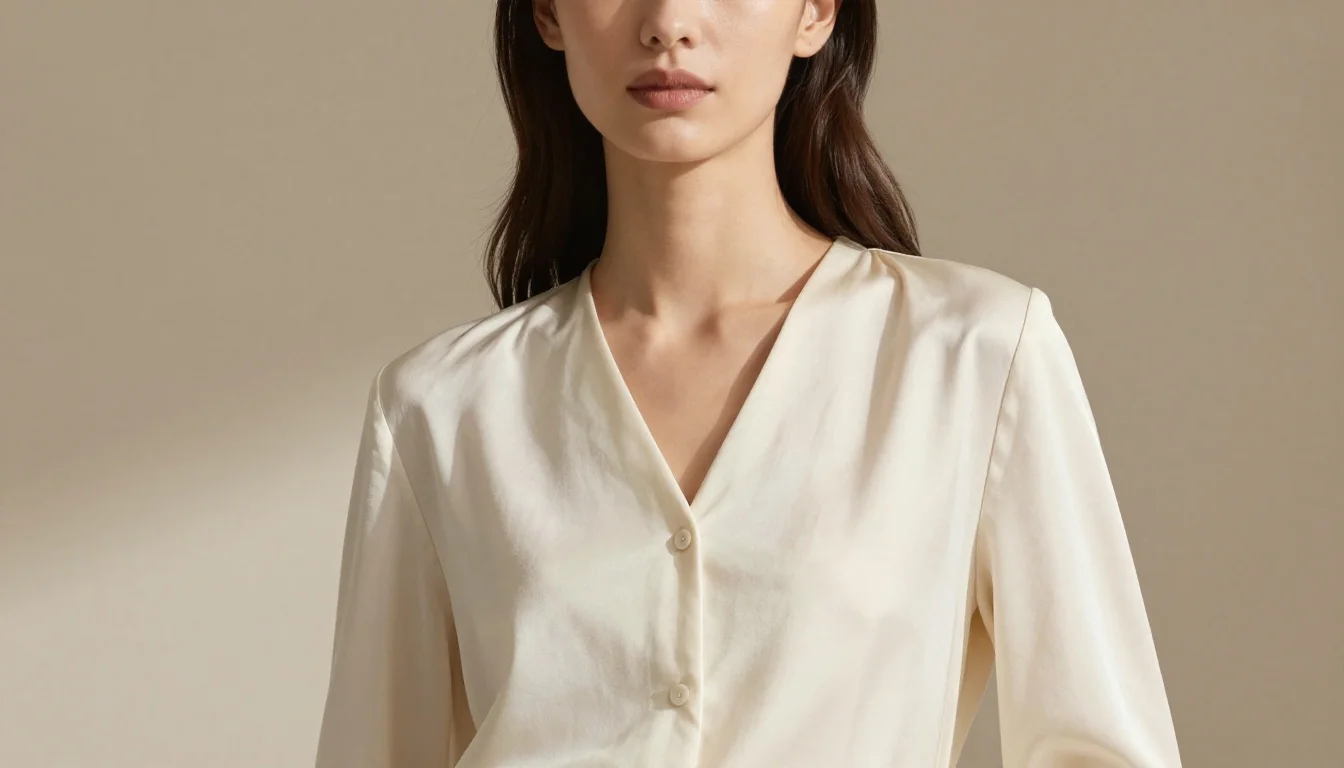
Your Best Cream by Undertone for So It Looks Luxe, Not Bland
Cool Cream Options
Cool undertones cannot wear yellow-warm cream near the face without looking sallow. Your version of cream is cool ivory — a white with the faintest warm whisper, not a visible yellow cast. Ecru, which leans slightly grey-warm, is another safe option. Soft pearl has a luminous quality that flatters cool, rosy skin. These cool creams add softness without adding conflicting warmth.
Warm Cream Options
Warm undertones thrive in cream because the yellow warmth in the fabric echoes the golden warmth in your skin. True cream is your everyday neutral — it adds luminosity and softness simultaneously. Warm butter is richer and looks beautiful in knits and outerwear. Rich vanilla sits between cream and gold and creates a sun-kissed quality. These are the creams that look expensive on warm coloring.
Neutral Cream Options
Neutral undertones can wear the middle range of cream without temperature conflict. Classic cream — neither strongly yellow nor cool — is your safe zone. Warm white adds just enough softness. Natural linen has an organic, earthy quality. Oat sits between cream and grey-beige and works well as a grounding neutral. Avoid extremes — both cold ivory and warm butter may pull your skin slightly off-balance.
Colors That Elevate Cream
Cream reaches its full potential when paired with rich, deep colors. Navy and cream is one of the most elegant color combinations in fashion — it reads as polished without effort. Chocolate brown and cream creates warmth and sophistication. Rich burgundy and cream has a vintage, luxurious quality. Deep olive and cream feels modern and earthy. These pairings prevent cream from looking bland.
Ready to Find Your Best Colors?
Get Your Color AnalysisHow to Style Cream So It Looks Intentional
The Navy + Cream Formula
Navy and cream is the easiest, most universally polished combination in fashion. A cream silk blouse with navy trousers for work. A cream knit with dark denim. A navy blazer over a cream dress. The contrast is elegant enough for formal settings and relaxed enough for weekends. If you own only one cream piece, pair it with navy.
Texture Is Everything
Cream in a cheap, flat fabric looks like an undershirt. Cream in a beautiful texture — silk, cashmere, linen, ribbed knit, bouclé — looks expensive. The absence of color means texture becomes the visual interest. A cream cable-knit sweater has more presence than a cream polyester blouse because the texture creates shadow and dimension that flat fabric cannot.
Dark Accessories Ground Cream
Cream needs visual anchoring. Dark shoes, a dark belt, a dark bag, or dark sunglasses prevent cream from floating formlessly. Brown leather accessories add warmth and richness. Black accessories add sharpness and modernity. The contrast point grounds the outfit and gives your eye a place to land.
Seasonal Cream Styling
In summer, cream linen with bare arms and sandals looks effortlessly cool. In winter, cream cashmere under a dark coat creates a sophisticated layered look. Spring cream works as a cotton blazer over darker basics. Autumn cream in chunky knits pairs with rich earth tones. The fabric changes with the season; the color stays timeless.
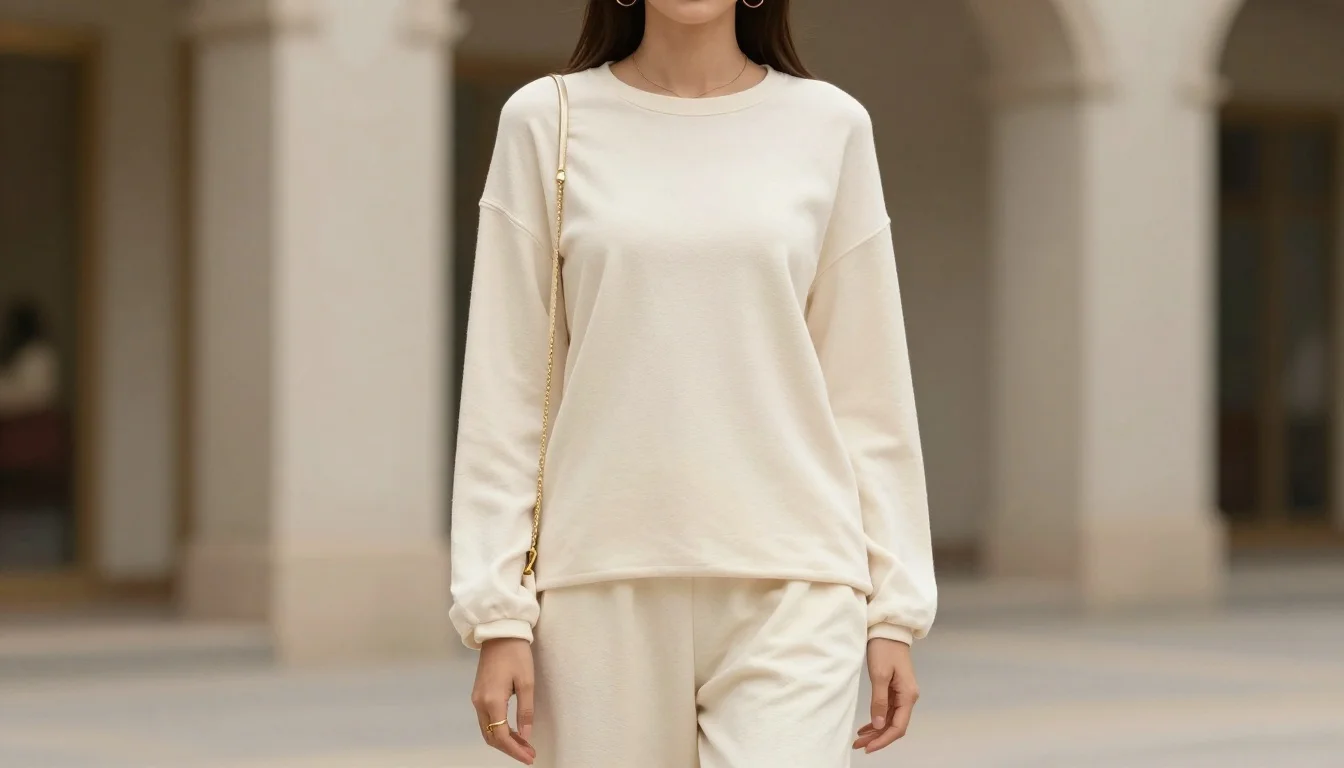
Cream Mistakes That Look Unfinished
Warm butter cream on cool undertones
A visibly yellow cream near cool, pink skin adds a sallow, yellowish cast that looks like the fabric is staining your complexion. If you have cool undertones and love cream, switch to cool ivory or barely-warm white — you get the softness without the yellow conflict.
Cream that matches your skin tone exactly
When cream and skin are the same shade, the boundary between fabric and body disappears. This nude-illusion effect rarely looks deliberate — it usually looks like you forgot to get dressed. Your cream should be either lighter or darker than your skin, creating enough contrast to define where you end and the garment begins.
Head-to-toe cream with no contrast
An entirely cream outfit — cream blouse, cream trousers, cream shoes — creates a monochrome wash that lacks visual structure. Without at least one contrasting element (a dark belt, a colored bag, dark shoes, a necklace), cream-on-cream looks formless. Even a slight contrast in texture or shade breaks the monotony.
Dingy or yellowed cream
Cream fabric that has yellowed with age or poor washing looks fundamentally different from fresh cream. Old cream reads as dirty white rather than intentional cream. Cream basics — especially t-shirts and knits — should be replaced when they lose their original warmth and start looking grubby.
Stop Guessing, Start Wearing Your Colors
Discover Your PaletteCream Styling Swaps for Better Results
Upgrades that make cream look polished instead of pallid.
The yellow undertone in warm cream fights cool skin. Cool ivory gives you the same soft, professional effect in a temperature that harmonizes with your coloring.
Monochrome cream in casual fabrics looks like pajamas. Adding a dark bottom creates structure and makes the cream top look deliberate.
Tan sandals can blend into cream, extending the monochrome wash to your feet. Brown leather and gold add warmth with contrast, creating a finished look.
Cheap cream fabric looks like it belongs under something else. Quality cream knit with visible texture looks like a luxury piece you chose deliberately.
Cream at night needs contrast and sparkle to hold its own against richer colors others are wearing. A dark pairing and metallic jewelry elevate cream to evening-worthy.
A cream bag with a cream outfit creates visual sameness. A rich leather bag in a complementary shade adds dimension and intentionality.
Your Best Cream by Season
Cream varies across seasons because the warmth and depth that works depends entirely on your natural coloring. Here are three seasons and their ideal cream approach:
Warm Autumn
Learn moreYour cream is rich, warm, and golden — true cream, warm vanilla, and butter tones. These warm creams echo the golden warmth in your skin and look naturally luxurious. Pair with chocolate brown, olive, and warm burgundy for your richest combinations.
Cool Summer
Learn moreYour cream is barely warm — cool ivory, soft pearl, and ecru with minimal yellow. These gentle creams add softness without conflicting with your cool, muted coloring. Pair with soft navy, cool rose, and dove grey for harmonious, elegant outfits.
Light Spring
Learn moreYour cream is warm but light — warm ivory, light butter, and peach-cream. These light warm creams match your bright, delicate coloring without overwhelming it. Pair with soft coral, warm aqua, and camel for fresh, luminous spring-summer combinations.
Find Your Perfect Cream
Cream is one of fashion's most beautiful neutrals — but only when the warmth level matches your skin. The wrong cream washes you out; the right cream makes you glow. A personalized color analysis identifies whether you need cool ivory, true cream, or warm butter, and shows you the exact pairings that make cream look intentional and luxurious on your specific coloring.
Get Your Color AnalysisFrequently Asked Questions About So It Looks Luxe, Not Bland
Can cool undertones wear cream?
Yes, but choose cool ivory or barely-warm cream rather than yellow-warm butter cream. Cool undertones need cream with minimal yellow undertone. Cool ivory gives the same softness and warmth as cream without the sallow cast that warm cream creates on pink-cool skin.
What is the difference between cream and ivory?
Ivory is cooler and closer to white with a subtle warm tint. Cream is warmer with a visible yellow-warm undertone. Ivory suits cool and neutral undertones; cream suits warm and neutral undertones. Both are warmer than pure white, but ivory barely crosses the warm line while cream is distinctly warm.
Why does cream make me look washed out?
Two possible reasons. First, the cream may be too close to your skin tone, erasing the contrast between fabric and face. Second, the cream may have a warm undertone that conflicts with your cool skin, adding sallowness. Fix the first by choosing cream lighter or darker than your skin, and the second by switching to cool ivory.
What colors go best with cream?
Navy is the single most elegant cream companion. Chocolate brown and cream is classic and warm. Burgundy and cream feels rich and vintage. Black and cream is sharp and modern. For casual wear, dark denim and cream is effortless. The key is strong contrast — cream needs a dark anchor to avoid looking monochrome.
Is cream or white more flattering?
It depends on your undertone and contrast. Cream is softer and more forgiving — it suits warm undertones and lower-contrast coloring beautifully. White is crisper and higher-contrast — it suits cool undertones and high-contrast coloring. If pure white feels harsh on you, cream is your alternative. If cream feels dull, white is likely more flattering.