How to Wear GreyWithout Looking Drained
Grey is the neutral most people get wrong. It sits in every wardrobe — t-shirts, blazers, coats, knitwear — but on the wrong person in the wrong shade, grey makes skin look flat, circles look darker, and the whole face look like it lost a fight with Monday morning. The problem is not grey itself. The problem is that grey comes in dozens of undertone variations, and most people wear the wrong one. The right grey for your coloring looks sophisticated, modern, and effortlessly cool. The wrong grey looks like you forgot to get dressed.
Discover Your ColorsWhy Grey Is the Most Undertone-Sensitive Neutral
Unlike black, which absorbs all light, or white, which reflects it uniformly, grey exists in a middle zone where undertone becomes visible. A cool blue-grey reflects cool light onto your skin. A warm taupe-grey reflects warm light. A true neutral grey reflects flat, desaturated light that can drain color from your face entirely. That undertone sensitivity is why one grey sweater makes you look polished and another makes you look ill.
The draining effect happens because grey is low-saturation by nature. When low-saturation fabric sits near your face, it reduces the perceived saturation of your skin — making your natural warmth, rosiness, or golden glow less visible. If the grey also conflicts with your undertone, the effect doubles: your skin loses both saturation and harmony. That combination is what creates the classic washed-out-in-grey look.
The fix is simple once you understand it: match the grey to your undertone, and add saturation near the face through either color or makeup. Warm undertones need warm grey — charcoal with a brown or olive cast. Cool undertones need cool grey — steel, slate, or blue-grey. And everyone benefits from at least one element of color when wearing grey head-to-toe.

Your Best Grey by Undertone for Without Looking Drained
Warm Grey Family
Warm undertones need grey with yellow, brown, or olive undertones. Warm charcoal — charcoal with a brownish cast — is the most versatile warm grey. Greige sits between grey and beige and adds natural warmth. Mushroom grey has earthy softness. These greys reflect warm-neutral light that harmonizes with golden or peachy skin instead of draining it.
Cool Grey Family
Cool undertones need grey with blue, lavender, or silver undertones. Steel grey is the workhorse cool grey — it reflects crisp, clean light that matches pink-cool skin. Slate blue-grey has enough color to prevent draining. Silver grey is light and luminous. Cool charcoal is the darkest option and works as a sophisticated alternative to black.
Neutral Grey Family
Neutral undertones can wear the widest grey range but should still avoid extremes. True medium grey is balanced and safe. Heather grey — the classic sweatshirt grey — works because its marled texture naturally creates warm-cool balance. Dove grey is soft and flattering as a lighter option. Avoid pure concrete grey, which is too flat for anyone.
Colors That Rescue Grey
When wearing grey, a single accent color near the face prevents the washed-out effect. Warm coral or peach rescues grey for warm undertones. Cool berry or fuchsia rescues it for cool undertones. Rich teal works across temperatures. True red is the universal grey companion — it adds instant energy and sophistication to any grey outfit.
Ready to Find Your Best Colors?
Get Your Color AnalysisHow to Style Grey So It Looks Intentional
The Color Anchor Rule
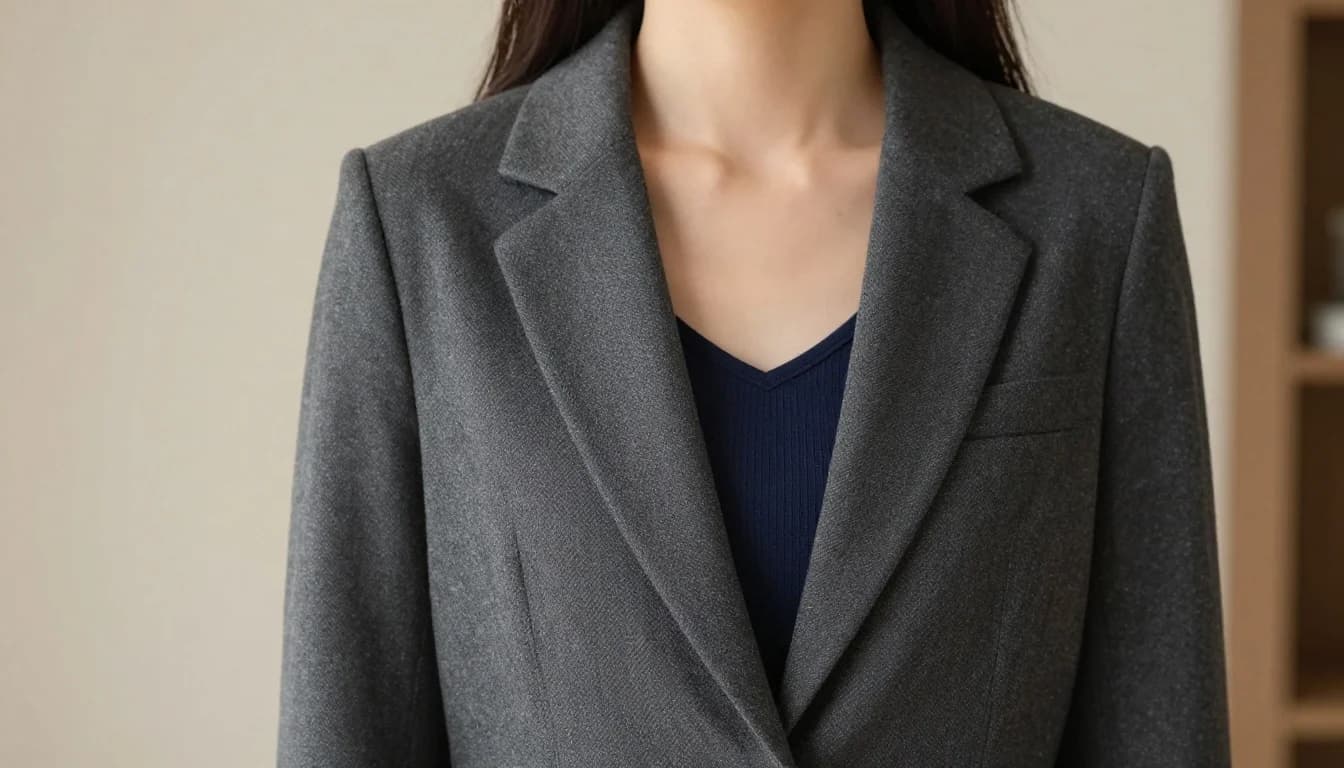
Every grey outfit needs at least one element of saturated color. A red lip with a grey suit. A cobalt scarf with a grey coat. A coral blouse under a grey blazer. The color anchor prevents the desaturation effect that makes grey look draining. Place the anchor near your face for maximum impact — accessories, scarves, makeup, or the collar of a shirt peeking out.
Texture Saves Grey
Flat grey fabric in a smooth weave is the most draining version of grey. Textured grey — cashmere, bouclé, herringbone, marled knit — breaks up the visual flatness and creates micro-contrast that prevents the washed-out look. A grey cashmere sweater looks expensive and alive. A flat grey polyester top looks like a dishcloth. Invest in textured grey pieces.
Grey as a Base, Not a Feature
Grey works best when it functions as a sophisticated backdrop for other elements. Grey trousers with a colored top. A grey blazer over a patterned blouse. A grey coat over a bright dress. When grey is the base layer, it reads as intentional and polished. When grey is every layer, it reads as uninspired.
Metallic Accessories with Grey
Grey is the only neutral that benefits equally from gold and silver accessories — as long as the metal matches your undertone. Warm grey pairs with gold. Cool grey pairs with silver. Both metals add the reflective quality that grey fabric lacks. A grey outfit with the right metallic jewelry immediately looks more finished and expensive.
Grey Mistakes That Drain Your Face
Cool grey on warm skin
A blue-toned steel grey against golden or peachy skin creates a visible temperature clash. The cool light reflected onto warm skin makes it look sallow and tired. If you have warm undertones and own a lot of cool grey, try adding a warm scarf or warm-toned jewelry to bridge the gap.
Warm grey on cool skin
A brownish greige or mushroom grey against pink-cool skin creates a muddy, unclear effect. The warm undertone in the grey fights the cool undertone in your skin, making your complexion look uneven. Swap for steel, slate, or silver grey.
Head-to-toe grey with no accent
An entirely grey outfit — grey top, grey trousers, grey coat — is the fastest way to look washed out regardless of undertone. Grey needs a visual anchor. One piece of saturated color, a metallic accessory, or even a white shirt underneath breaks the monochrome flatness and gives your skin something to contrast against.
Faded, pilled, or yellowed grey
Grey fabric ages poorly. A grey t-shirt that has been washed fifty times loses its original undertone and becomes unevenly faded, often with a yellowish cast. Old grey looks cheap and adds a tired quality that no styling can fix. Replace grey basics regularly — they are the pieces that degrade most visibly.
Stop Guessing, Start Wearing Your Colors
Discover Your PaletteGrey Styling Swaps That Fix the Washed-Out Problem
Small changes that make grey work for your coloring instead of against it.
Grey on grey on grey removes all contrast from your frame. A white shirt adds crispness and a color accent adds life. The suit still reads as grey, but your face no longer disappears.
A plain grey tee by itself is the most common draining look. Layering adds visual interest and brings non-grey color closer to the face.
A closed grey coat creates a wall of desaturated fabric from chin to knee. Opening it to reveal a bright inner layer reintroduces color and contrast at face level.
The undertone fix plus a textured knit transforms draining grey into flattering grey. Cashmere and wool have inherent warmth that softens the desaturation effect.
Grey below the face is always safe. The draining effect comes from grey near the face. Keep grey on the bottom half and use color on top.
A grey scarf on a grey outfit doubles down on desaturation exactly where it hurts most — at the neckline. A colored scarf or statement metallic piece turns the same grey outfit into a deliberate, stylish choice.
Your Best Grey by Season
Each seasonal palette has a specific grey range that harmonizes with your coloring. Here are three seasons and their ideal grey approaches:
Cool Summer
Learn moreYour grey is soft, cool, and medium-depth — think dove grey, blue-grey, and soft slate. These cool muted greys match your gentle contrast and cool undertone. Pair with soft pink or lavender accents. Avoid warm greys and harsh dark charcoal.
Deep Winter
Learn moreYour grey is cool charcoal — deep, crisp, and dramatic. You can handle dark grey near the face because your high contrast coloring provides the anchor. Pair with icy white, true red, or jewel-tone accents. You are one of the few seasons that can wear grey head-to-toe successfully.
Soft Autumn
Learn moreYour grey is warm and muted — greige, mushroom grey, warm stone. These earthy, desaturated warm greys feel like an extension of your natural palette. Pair with muted olive, warm rose, or soft teal accents. Avoid cool steel grey, which fights your warm-muted coloring.
Find Your Perfect Grey
Grey is not a one-size-fits-all neutral. The grey that makes one person look sleek and modern makes another look exhausted. The difference is undertone match plus strategic styling. A personalized color analysis identifies your exact grey family — warm, cool, or neutral — and shows you how to wear it with the right accents so grey always reads as sophisticated, never draining.
Get Your Color AnalysisFrequently Asked Questions About Without Looking Drained
Why does grey wash me out?
Grey is a low-saturation color that reduces the perceived color intensity of your skin. If the grey also clashes with your undertone — cool grey on warm skin or warm grey on cool skin — the draining effect doubles. The fix is matching grey to your undertone and adding a color accent near your face.
What color goes best with grey?
Red is the single most effective grey companion — it works across all undertones and contrast levels. Beyond red, warm undertones pair grey with coral, mustard, or warm pink. Cool undertones pair grey with berry, cobalt, or fuchsia. The key is saturated color to counteract grey desaturation.
Is grey better than black for looking professional?
Grey can look more approachable and modern than black in professional settings, but only if the undertone is right and there is a color anchor. A well-fitted grey suit with a crisp white shirt looks polished and contemporary. An ill-fitting grey suit with a grey shirt looks like you gave up.
Can everyone wear grey?
Everyone can wear grey — but not every grey. Warm undertones need warm grey, cool undertones need cool grey, and everyone needs at least one color anchor to prevent the washed-out effect. The seasons that struggle most with grey are light, bright seasons (Light Spring, Bright Spring) because grey desaturation conflicts with their naturally vivid coloring.
What is the most flattering shade of grey?
Medium-depth heather grey is the most universally wearable shade because its marled texture naturally balances warm and cool undertones. Beyond that, warm charcoal flatters warm skin, steel grey flatters cool skin, and dove grey flatters light coloring. The right shade depends on your specific undertone and contrast level.